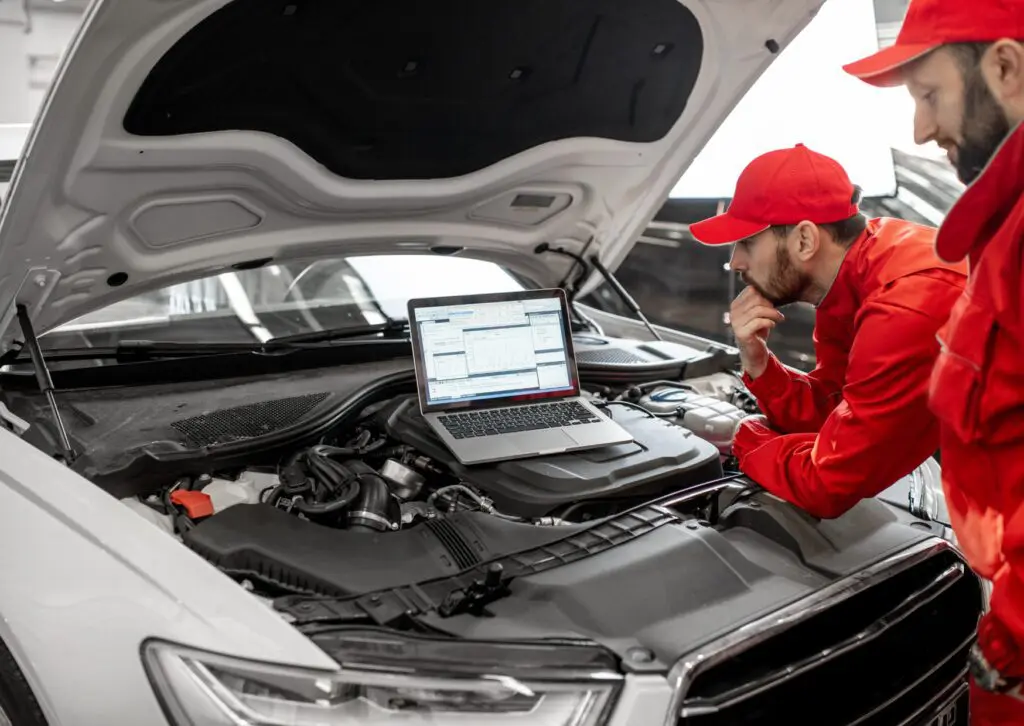
Engine Diagnostics
Modern engines communicate through an onboard network of sensors and control modules. When something goes wrong, the engine management system logs a fault code — but that code is a starting point, not a conclusion. Proper diagnosis involves reading the code in context, reviewing live sensor data, and understanding what's driving the fault.
We use manufacturer-compatible diagnostic tools that allow us to access all available modules, not just the powertrain. This matters for faults that cross systems, such as an EGR issue that affects both the engine and emissions modules.
When Is It Needed?
- Check engine light is illuminated or flashing
- Vehicle is running rough, stalling, or misfiring
- Fuel consumption has increased noticeably without explanation
- Pre-purchase inspection on a used vehicle
What the Process Involves
We begin with a full fault code scan across all modules, then review freeze frame data and live readings. If needed, we carry out component-level testing before producing a report that explains what was found and what the repair options are.

Brake System Maintenance
The braking system is one of the most safety-critical systems on any vehicle. Brake pads, discs, calipers, lines, and fluid all contribute to stopping performance — and all degrade at different rates depending on driving style and conditions.
A brake inspection covers the entire system, not just the pads. We measure disc thickness and check for warping or scoring, inspect pad material and backing plate condition, test caliper movement, and examine brake lines for corrosion or damage.
Common Symptoms
- Squealing, grinding or pulsating during braking
- Longer stopping distances
- Pedal feels soft or drops lower than usual
- Vehicle pulling to one side when braking
Brake Fluid
Brake fluid is hygroscopic — it absorbs moisture from the atmosphere over time. As moisture content rises, the fluid's boiling point drops, which can cause brake fade under sustained braking. Most manufacturers recommend a fluid exchange every two years regardless of mileage.

Oil & Fluid Changes
Engine oil lubricates moving parts, helps regulate temperature, and carries debris to the filter. Over time, the base oil degrades and the additive package depletes. The interval at which this happens depends on oil specification, engine type, and how the vehicle is used.
We always use the specification stated in the vehicle handbook — not a general-purpose oil. Using the wrong viscosity or additive package can affect engine performance and, in some cases, the validity of manufacturer service records.
Other Fluids We Service
- Coolant: Protects against corrosion and regulates operating temperature. Degrades over time and should be tested and replaced at manufacturer intervals.
- Power Steering Fluid: Checked for level and condition. Contaminated fluid can affect steering feel and damage the pump over time.
- Transmission Fluid: Automatic gearbox fluid is often listed as "lifetime fill" but benefits from replacement in high-mileage vehicles.
- Washer Fluid: Checked and topped up as part of any service visit.
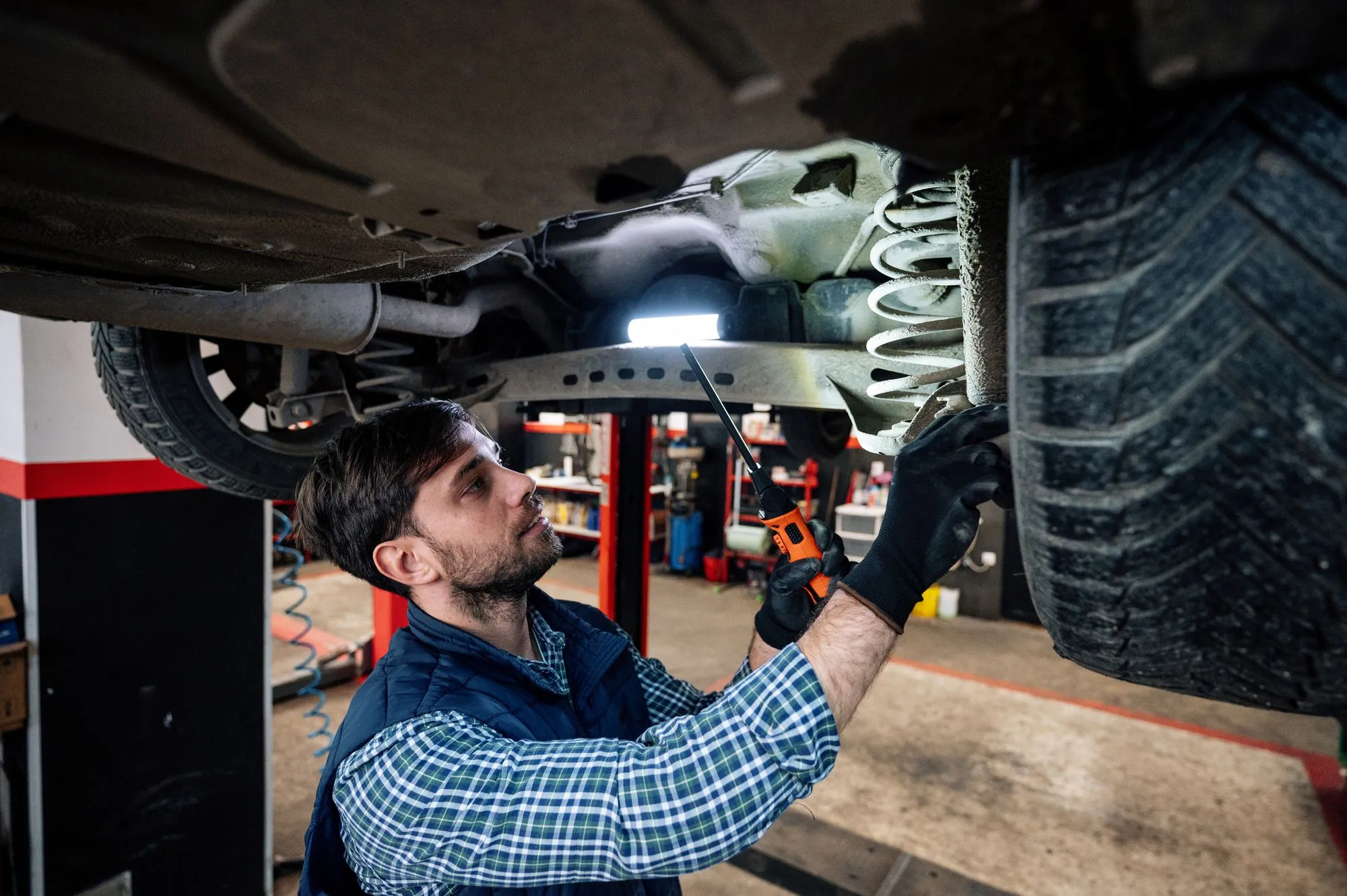
Suspension Checks
Suspension is what keeps the tyres in contact with the road surface. As components wear — shock absorbers, springs, anti-roll bar bushings, track rod ends, ball joints — the vehicle becomes less predictable to drive and tyre wear patterns become uneven.
We carry out suspension inspections with the vehicle on a lift, applying load to each component to assess movement and play. We document what we find with measurements where appropriate.
Wheel Alignment
Alignment refers to the angles at which the tyres contact the road. Incorrect alignment — often caused by hitting a kerb or pothole — leads to accelerated tyre wear and can pull the vehicle to one side. We measure and adjust all four wheel angles using digital equipment calibrated to manufacturer specifications.
Tyre Rotation
Front tyres typically wear faster due to steering and weight distribution. Rotating tyres at the recommended interval evens out wear, helping all four tyres reach the end of their usable life at a similar time.
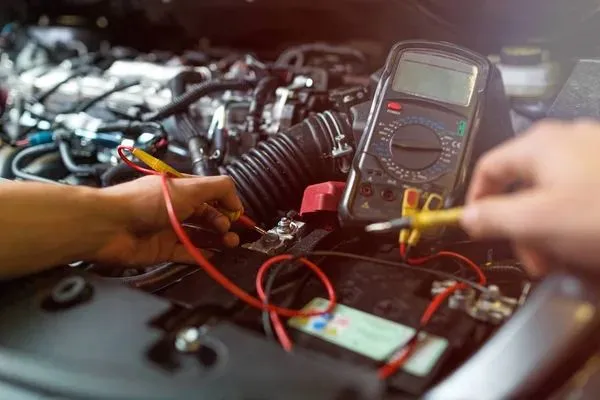
Electrical System Inspection
Electrical faults can be among the most difficult to diagnose — particularly intermittent ones. Symptoms range from a battery that won't hold charge, to lights that behave erratically, to sensors producing inconsistent readings that trigger warning lights.
We approach electrical work methodically: beginning with a full system scan, then isolating the circuit or component involved using wiring diagrams and component testing. We document our process and explain the findings to you before recommending a repair.
Battery & Charging System
A vehicle battery typically has a service life of three to five years, but this varies significantly with conditions and usage. We load-test batteries under real-world current draw, which gives a more accurate picture of remaining capacity than a simple voltage reading. The alternator and charging system are tested alongside the battery.
Lighting & Ancillaries
We inspect and replace bulbs, fuses, and relays. Where a lighting fault is caused by a wiring or module issue rather than the bulb itself, we trace and repair the underlying fault.